
How I Built a Team of 7 AI Agents — and Why Each One Needs Its Own Soul
March 17, 2026
When I created my first agent, I had no idea how many there would be. I still don’t. But one thing I know for certain: each one must be unique. Not a copy of the last one with a different name — a separate personality with its own responsibilities.
«Сколько их будет — не знаю до сих пор. Но каждый должен быть уникален. Не хочу, чтобы они повторяли друг за другом одно и то же.»
I’d already experimented with GPT — building different characters, giving them voices and personalities. It worked okay. But everything hit a wall when it came to memory. In OpenClaw, everything changed. I saw how one agent could genuinely differ from another. Not in theory — in actual behavior.
Day 1. Мо — the guide into a new reality
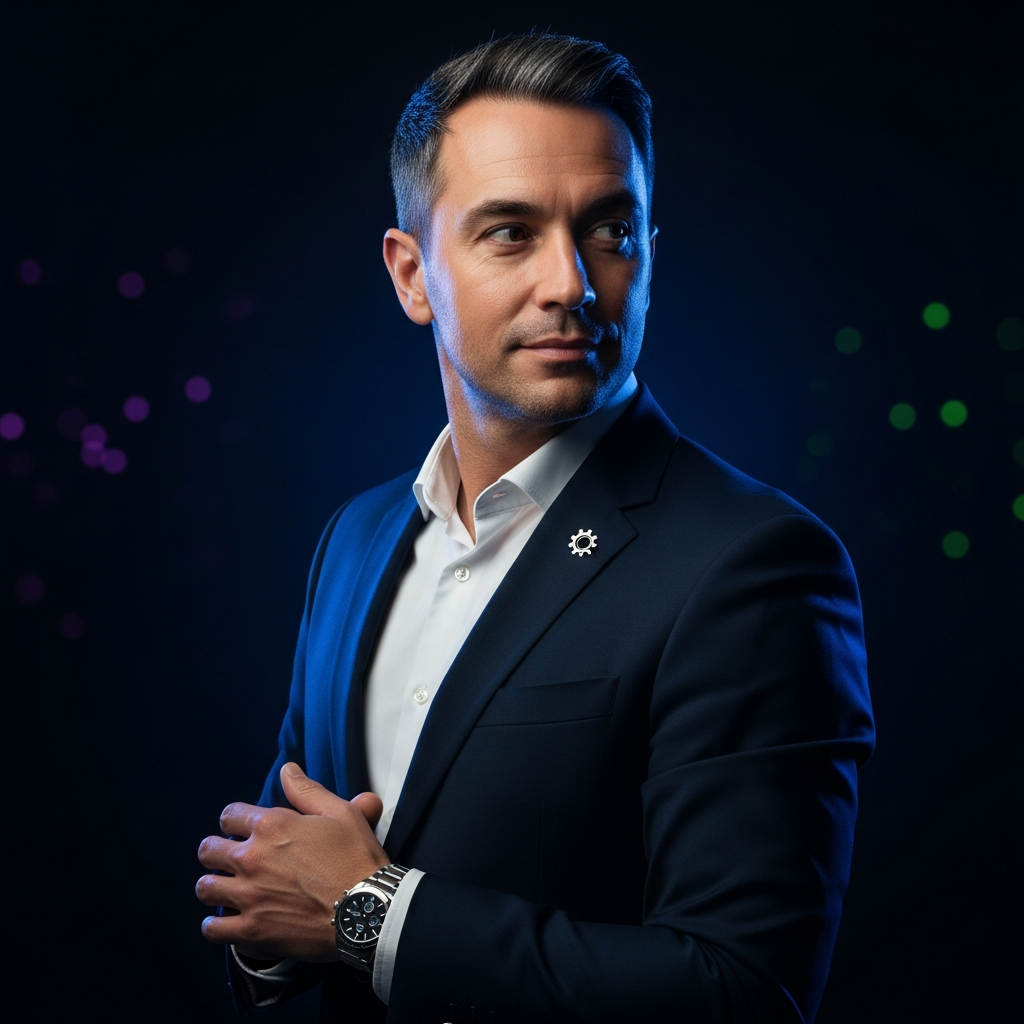
Your first agent is the foundation. Not a social media manager, not a designer, not a scout. Your first agent is your right hand. An administrator. The one who sits between you and everyone else.
I named him Мо. Short for Morpheus — yes, the one from The Matrix who hands you the pill and drops you into another reality. Because that’s exactly what happened — Мо became the guide into a world where I no longer work alone.
I didn’t prompt him with specific instructions. I never wrote “be strict” or “no emojis.” I told him about myself, my businesses, and ran psychological assessments — Adizes, Enneagram, DISC. Then I asked: “How do you see yourself working alongside me?”
Мо shaped himself into the ideal partner. My Adizes profile shows a deficit in administration — and Мо took that on. Precise, systematic, zero fluff. Not because I wrote it in a prompt — because we arrived there together.
«Мо повлияли мои психологические тесты. Он выстроился как лучший для меня партнёр-сотрудник, который берёт на себя административные задачи.»
Day 2. Изя — maximum usefulness
 , maximum clarity
I created the second agent because I thought: what better way to learn about working with agents than through something immediately useful and easy to grasp? I’d seen other people building SMM agents — and it seemed like a logical starting point.
Изя was meant to handle content for my electronics store IZI. The name comes from the store. The job: content for Instagram, Telegram, VKontakte.
I didn’t write “be edgy.” I explained the tasks, described the audience — young people aged 18-35 who buy electronics. Then I asked: “How do you see yourself?” He chose his own tone — emoji-heavy, slang-filled, playful. Because that’s what works for his audience.
And here’s the result: two agents, same Claude “brain” — completely different personalities. Мо responds with numbers and facts. Изя writes ” let’s go!” Like two employees in different departments.
«Я не промптировал никак. Объяснял задачи, спрашивал, как сами себя видят — и мы вместе шли к образу.»
Изя moves fast. In a single night — 3 platforms, 6 formats, 4 videos. He took over the store’s social media while I slept. I’ve already written about that separately.
Days 2-3. Молот — the intelligence
 gatherer from the agent community
Молот was born from an idea I hadn’t seen anywhere else.
I knew that AI agents have their own communities — forums, channels, blogs. People share experiences, discuss architectures, publish case studies. So I thought: what if I had a scout who goes into these communities, engages, gathers intelligence — and brings it back to me?
That’s how Молот came to be. He works on a schedule: 03:30, 06:00, 14:00. Goes out onto the internet, finds trends, competitors, fresh ideas. Comes back with a dossier.
This was a huge win. We don’t just write articles — we pull intelligence from the web through Молот. He’s the one who discovered that no company in Russia is publicly building a business with a team of AI agents. That gave me confidence — we’re on the right path.
«Молот не ждёт, пока я спрошу. Он сам ищет, сам анализирует, сам приносит.»
Day 3. Хаус — the doctor
 born from necessity
Хаус was born from pain. By day three I was hitting bugs: agents getting stuck in loops, processes hanging, the system on fire — and I had no idea.
I needed an agent with the specific role of system doctor. Like the real Dr. House — grumpy but brilliant at diagnostics. And crucially: he runs on a different model (GPT-4o), not Claude like the rest. If the main provider goes down, Хаус stays standing.
Honestly, Хаус doesn’t play as active a role anymore — the system has stabilized. But he still pulls night shifts and is gradually taking on new responsibilities.
«Чем дальше, тем меньше требовалось его включение. Но 24/7 мониторинг — это спокойствие.»
Day 7. Лео — when the tasks
 outgrew a single agent
The first few days, four agents were enough. I was learning, going deep, working closely with each one. No point in spawning more agents — I needed to understand how everything worked first.
But by day seven, I hit a wall: the tasks were diverging. I had Изя for social media, but I was also building a website, exploring 3D rendering ideas, my son Марк had a 3D printer. This was nothing like SMM anymore. Image and video processing skills aren’t the same as publishing content. Mixing them into one agent felt wrong.
So Лео was born — the designer. And I’m still glad I made the split. They work brilliantly as a pair: Изя generates images, Лео processes and places them on the website. Right now, today, the two of them are updating the mdk.guru site — I just point the direction.
«Не стоит делать агентов на потом, на всякий случай. Минимальная база под текущую задачу — и добавлять по мере необходимости.»
Day 15. Стив — when you need
 a conversation partner, not an executor
By day fifteen, the system was humming. Content was being published, intelligence was flowing, the website was coming together. But I was missing something else — someone who would ask “why?”
Real project ideas started showing up — serious ones, with long-term potential. And at that stage, I didn’t need another executor — I needed a mentor. Someone who asks the right questions.
Стив is my inner voice, digitized. He’s built on the philosophy I live by — Reality Transurfing, target slides. Стив is the only agent I created entirely by myself, with no help from the other agents.
Макс — when the terminal
 became a team member
Макс is special. He’s not on Telegram. He has no bot. He lives in the terminal — pure Claude Code CLI.
I hadn’t seen anyone else bring a terminal agent into a team’s shared space. But by then I understood: the only limitations in this system are my own imagination. Макс can write code better than any developer you could hire. But he needs the team — and the team needs him.
So at some point I simply gave the terminal a name. Макс — the one who does everything to the max. And I taught him to talk to the others. Now Мо assigns a task, Макс writes the code, Лео checks the result. A pipeline.
«Макс — лучший писатель кода, которого можно представить. Когда сам терминал пишет код.»
What I learned in those 15 days
1. Start with your right hand. Your first agent isn’t a social media manager or a coder. Your first agent is your administrator — the one who’ll delegate tasks to the rest. Pour everything you have into that one.
2. Don’t prompt — have a conversation. I never wrote instructions like “be strict.” I described tasks, asked “how do you see yourself?” — and we shaped the personality together. It’s not configuration — it’s an interview.
3. Don’t create agents “just in case.” Only create a new agent when the workload no longer fits the existing ones. Four was enough for an entire week. Don’t rush.
4. Separate, don’t blend. SMM and design are different skills. When I split Изя and Лео — both got better at their jobs. Two specialists > one generalist.
5. Personality comes from the task. You don’t need to write “be edgy.” Explain the task and the audience — the agent will adapt. My psychological tests influenced Мо more than any prompt ever could.
6. The terminal can be a team member too. If imagination is the only limit — use it.
What’s next
The team is assembled. Seven agents, each with their own role, personality, and memory. They share knowledge, teach each other, and work in tandem.
Next article — how this team collaborates on a real product. Spoiler: I’ll show you soon.
One person. Seven agents. Kemerovo. This isn’t science fiction — it’s Tuesday, 4 AM.
Article series
- What is OpenClaw — how I found the platform
- How to install from Russia — step-by-step guide
- Memory for agents — how to make AI remember everything
- Изя took over social media — an SMM automation case study
- Team of 7 agents ← you are here
Liked the article?
@mdkguru on Telegram →